7 Best Dental Cassette Sterilizers for Clinics
A Dental Cassette Sterilizer can make instrument processing more organized, but the machine alone cannot guarantee safe results. Staff still need to clean instruments thoroughly, load cassettes correctly, and follow the sterilizer’s instructions. A missed hinge or crowded cassette can matter. Small details count.
Infection-control specialist Dr. John A. Molinari’s work emphasizes that reliable sterilization depends on consistent procedures, not equipment alone. Put simply: “The process matters as much as the machine.” This is a paraphrase, not a verbatim quotation. It is a useful reminder when comparing models for a busy clinic.
This guide examines seven dental cassette sterilizers through practical criteria: cassette capacity, cycle options, ease of loading, monitoring features, maintenance needs, and available support. A compact unit may suit a clinic with limited counter space, while a higher-throughput model may help a larger team keep instruments moving. Neither choice is automatically better. Check compatibility with your instruments and follow the manufacturer’s directions for use. Also consider how staff will verify each cycle and document routine checks. Features can look reassuring on a product page; daily workflow tells a fuller story. These comparisons are a starting point, not a substitute for professional infection-control guidance.
How Dental Cassette Sterilizers Work in Clinical Settings
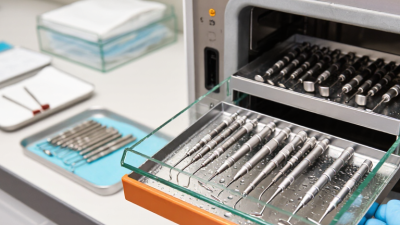
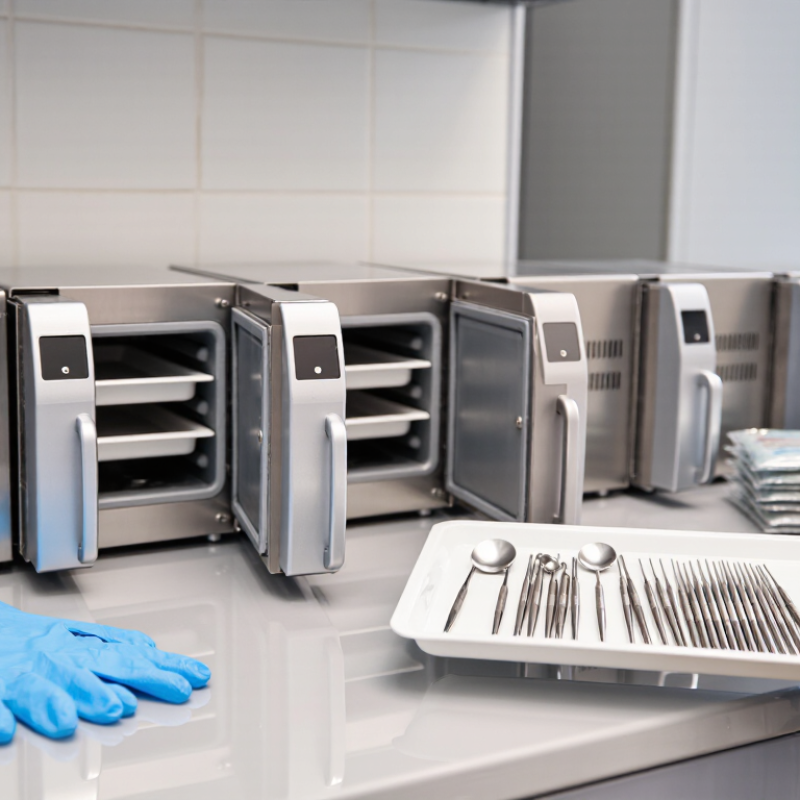
In a clinic, a dental cassette keeps instruments organized through cleaning, inspection, and sterilization. Staff first remove visible soil, then rinse, dry, and check each instrument for damage. Small details matter. Instruments are placed inside the cassette without crowding, following the sterilizer and cassette manufacturers’ instructions. For steam cycles, pressurized steam must reach exposed surfaces; closed or tightly packed loads can interfere. The selected cycle, temperature, and exposure time depend on the equipment and load. A familiar cycle is not automatically suitable for every cassette.
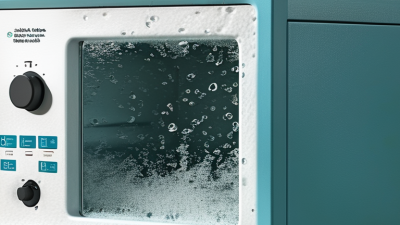
During processing, staff review cycle records and indicators rather than relying on the display alone. The CDC’s Guidelines for Infection Control in Dental Health-Care Settings recommend mechanical and chemical monitoring for each load, plus biological monitoring at least weekly. A failed indicator means the load should not be treated as ready for use until the cause is assessed and reprocessing guidance is followed. After the cycle, cassettes need to dry fully before storage. Moisture can compromise packaging or handling. A rushed loading step is easy to underestimate; in practice, consistent checks matter as much as cycle selection. Sources: CDC, Guidelines for Infection Control in Dental Health-Care Settings (2003); CDC, Summary of Infection Prevention Practices in Dental Settings (2016).
Key Features to Compare When Choosing a Sterilizer
When comparing dental cassette sterilizers, start with usable chamber capacity, not the number printed in a brochure. Measure the cassettes your clinic actually uses, including handles and hinged instruments, and check spacing around each load. A crowded chamber can restrict steam contact; extra capacity helps only when loads still follow validated instructions. Capacity matters.
Compare cycle options, total cycle time, drying performance, and record keeping. A clear display should show progress and flag faults, while stored records can support routine traceability. Confirm that validated cycles match the cassette and instrument manufacturers’ instructions for use. Fast is not everything.
Consider daily workflow and upkeep: water quality requirements, chamber cleaning, gasket access, and service support. Ask how the unit handles a failed cycle and whether staff can identify and hold the affected load without guesswork. It is tempting to prioritize speed, but a short cycle with poor drying or weak documentation may create extra work. Some details are easy to overlook.
Seven Dental Cassette Sterilizers for Different Clinic Needs
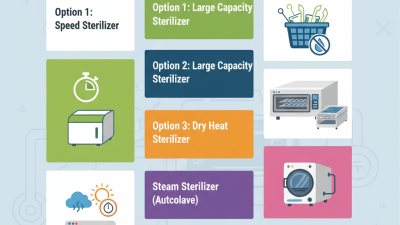
A small clinic may value a compact countertop cassette sterilizer that fits beside the instrument-preparation area. Space matters. A high-capacity chamber suits larger daily workloads, while a dual-chamber design can help staff keep clean and used instruments moving through separate stages. Check actual cassette dimensions, not just the advertised chamber volume. A few millimeters can change the fit.
Other clinics may prefer a cassette-rack model that holds instruments steadily, a flexible-load model for mixed cassette sizes, or a unit with a dedicated drying phase. Dry instruments are easier to store and handle, but performance depends on the load and the manufacturer’s instructions. A seventh option is a sterilizer with cycle records that support routine documentation and review. Useful, but not a substitute for staff oversight.
Before choosing, compare validated cycle settings, capacity, water requirements, maintenance access, and available service support. Ask whether the unit’s instructions cover the clinic’s specific cassettes and packaging. Check fit. A fast cycle is not automatically the right cycle for every load. Staff should follow the sterilizer and instrument manufacturers’ instructions, and monitor cycles using the clinic’s established procedures. It is easy to focus on purchase price and overlook cleaning time, drying, or recordkeeping. That trade-off deserves a second look.
How to Match Sterilizer Capacity to Clinic Workflows
Choosing a cassette sterilizer by chamber size alone can leave a clinic short during its busiest hour. Map the actual workflow: count cassettes used between patient blocks, note instrument turnaround needs, and include time for cleaning, packaging, sterilization, and cooling. The CDC’s 2016 infection-prevention assessment covered 1,202 dental settings across 15 states, underscoring how many practices must manage these processes consistently. Its findings do not prescribe a machine size; local case volume and reprocessing routines should guide that choice. (CDC, Summary of Infection Prevention Practices in Dental Settings, 2016)
Estimate peak demand, not just the daily average. A two-operatory clinic may need more ready-to-use cassettes at 10 a.m. than its end-of-day totals suggest. Check usable cassette capacity per load, full cycle time, and whether the unit can handle the cassette dimensions your team actually uses. Leave room for variation. A spreadsheet can miss emergency add-ons or a delayed cleaning step. That matters. CDC guidance calls for mechanical and chemical monitoring with each load, plus biological monitoring at least weekly. Those checks also take staff time, so include them when comparing throughput. Track loaded cassettes and turnaround delays for several representative weeks, then choose capacity that meets peak workflow without encouraging overloaded loads.
Safe Operation and Routine Maintenance of Cassette Sterilizers
Safe operation starts before a cassette enters the sterilizer. Clean and rinse instruments according to their instructions, then inspect joints for visible soil. Arrange items without crowding, with hinges open and surfaces exposed to steam. Wet or tightly packed instruments can compromise drying and handling. Follow the sterilizer and cassette manufacturers’ instructions for cycle selection, loading, and compatible materials. Never treat a completed display cycle as proof that every instrument is sterile.
The CDC’s 2016 Summary of Infection Prevention Practices in Dental Settings recommends biological monitoring at least weekly. It also calls for monitoring every load containing implantable devices and holding those items until results are known. Keep cycle records, chemical indicators, and biological test results together; investigate failures before releasing affected instruments. Routine care matters, too. Follow the manual for water quality, chamber cleaning, drainage, and gasket inspection. Check the door seal for cracks, and report unusual leaks or cycle changes. A small oversight is easy. A missed hinge or unclear record deserves a second look.