Leave Your Message
An Autoclave For Cassettes is a compact steam-sterilization system designed for instrument cassettes used in dental, surgical, and laboratory settings. It does not simply “wash” a cassette. It removes air, raises pressure, and exposes every accessible surface to saturated steam. That distinction matters.
AAMI ST79, the widely used guidance for healthcare steam sterilization, emphasizes air removal, steam contact, validated cycle parameters, drying, and routine monitoring. The CDC’s Guideline for Disinfection and Sterilization in Healthcare Facilities also identifies saturated steam under pressure as the preferred method for heat-resistant critical instruments. In practice, a cassette may enter the chamber with hinged instruments, narrow spaces, and trapped moisture. Those small details can affect sterilization performance.
Dr. William A. Rutala, a recognized infection-prevention specialist, stated, “The most important factor in steam sterilization is direct steam contact.” That sentence explains the machine’s working principle better than many technical labels. Steam must reach the instrument surfaces, not merely surround a sealed package.
Inside the chamber, the autoclave typically follows air removal, steam exposure, pressure control, exhaust, and drying phases. Exact temperature and holding time depend on the validated cycle, load, packaging, and manufacturer instructions. A familiar number can mislead. For example, a 121°C or 134°C cycle is not automatically suitable for every cassette.
The process sounds precise. It is. Yet it is not infallible. Overloading, poor cleaning, incorrect positioning, or wet packs can undermine the result. This guide examines how an Autoclave For Cassettes works, what its cycle stages mean, and where everyday handling still requires careful judgment.
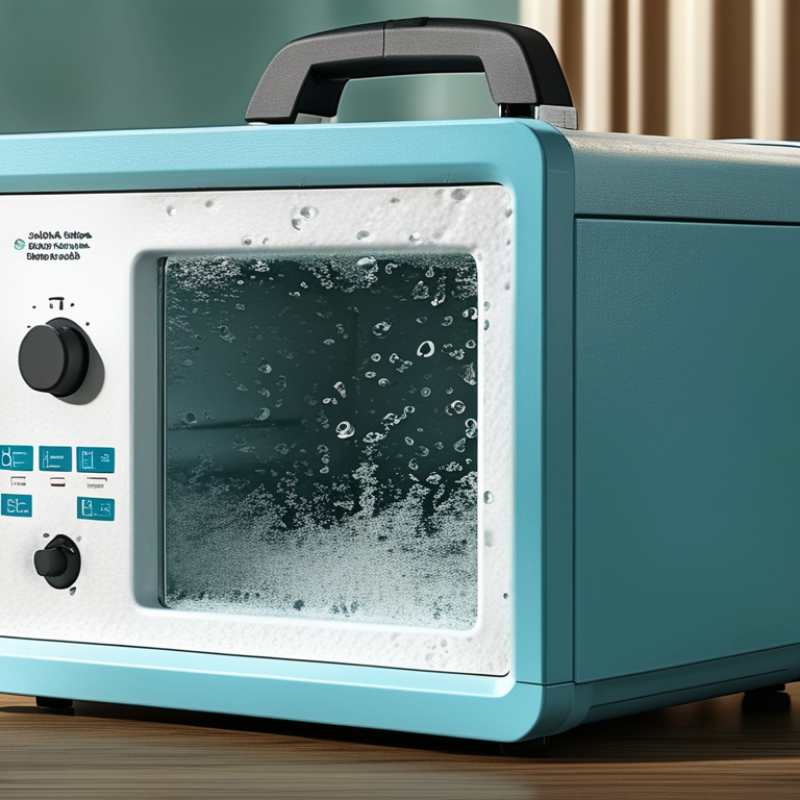
An autoclave for cassettes is a pressure-based steam sterilizer designed to treat reusable laboratory cassettes. These cassettes may hold samples during preparation, handling, or storage. The chamber uses saturated steam, heat, and pressure to destroy microorganisms on suitable surfaces. It does not clean heavy residue. It does not replace careful washing.
Inside the chamber, water becomes steam and displaces air. The sealed chamber then reaches a controlled temperature, often around 121°C or 134°C, depending on the validated cycle. Steam enters cassette openings and contacts exposed surfaces. After the holding period, pressure falls and the load dries. The exact cycle matters. Material type, cassette design, load size, and local procedures can change performance.
In daily laboratory work, staff should inspect each cassette before processing. Cracks, blocked openings, and trapped debris can prevent reliable steam contact. Not every cassette is autoclavable. Some plastics deform, while printed labels may fade or detach. I would not assume a “sterile” cycle is automatically effective. Operators should follow the manufacturer’s material guidance, use process indicators, and record cycle results. Biological monitoring may also support routine quality assurance. Small loading mistakes are easy to overlook. They can compromise an otherwise controlled process.
| Data Dimension | Key Point | Typical Information | Practical Significance |
|---|---|---|---|
| Definition | Autoclave for cassettes | A steam sterilizer used to process heat-resistant specimen, embedding, or laboratory cassettes and other compatible laboratory accessories. | It reduces viable microorganisms by exposing items to saturated steam under controlled temperature, pressure, and time conditions. |
| Sterilization Principle | Moist heat transfer | Steam condenses on cooler cassette surfaces and releases heat, allowing thermal energy to penetrate exposed areas efficiently. | Condensing steam transfers heat more effectively than dry air at the same temperature, provided that steam can contact the load. |
| Common Temperature Settings | Validated cycle temperature | Common laboratory steam cycles use approximately 121°C or 132–134°C, depending on the load and sterilizer program. | The correct temperature must be selected according to the cassette material, load configuration, and validated operating instructions. |
| Pressure Relationship | Pressure supports the required steam temperature | At sea level, a saturated-steam cycle at approximately 121°C generally corresponds to about 103 kPa gauge pressure; approximately 132–134°C corresponds to about 186–207 kPa gauge pressure. | Pressure is not the primary sterilizing agent. It enables steam to reach temperatures above the normal boiling point of water. |
| Exposure Time | Time at sterilization temperature | Exposure may commonly range from about 15–30 minutes at 121°C or approximately 3–10 minutes at 132–134°C, depending on the load and validated cycle. | Exposure time begins only after the load has reached the required sterilization temperature; total cycle time is longer because it includes air removal, heating, exhaust, and drying. |
| Air Removal | Removal of trapped air | Gravity-displacement cycles rely on incoming steam to displace air, while pre-vacuum cycles actively remove air before steam admission. | Air pockets can prevent steam contact and create cold spots, especially when cassettes are densely stacked or enclosed. |
| Cassette Loading | Spacing and orientation | Cassettes should be arranged so that steam can circulate around and through accessible surfaces. Overloading and tight nesting should be avoided. | Proper loading improves heat penetration, reduces unprocessed areas, and supports consistent sterilization results. |
| Suitable Materials | Heat- and moisture-resistant components | Some autoclavable plastics, stainless steel, glass, and other materials may be compatible, but compatibility depends on the exact material and design. | Materials should be checked for deformation, melting, brittleness, discoloration, chemical resistance, and dimensional stability after repeated cycles. |
| Materials to Avoid | Heat-sensitive or moisture-sensitive items | Items made from non-autoclavable plastics, certain adhesives, electronic components, solvents, oils, and sealed containers should not be processed unless specifically approved. | Unsuitable items may rupture, release hazardous contents, become damaged, or interfere with safe pressure release. |
| Typical Workflow | Load, sterilize, depressurize, and dry | The general sequence is loading, air removal, steam admission, exposure, exhaust or depressurization, and drying before unloading. | Allowing the chamber and load to depressurize safely helps prevent boiling-over, burns, wet packs, and damage to cassettes. |
| Sterilization Monitoring | Physical, chemical, and biological checks | Monitoring may include cycle records, temperature and pressure readings, chemical indicators, and periodic biological indicators containing resistant bacterial spores. | No single monitoring method replaces the others. Together they provide evidence that the cycle operated correctly and achieved the intended level of control. |
| Chemical Indicators | Visual process confirmation | Indicator tape, strips, or integrators change appearance after exposure to specified process conditions. | They help distinguish processed from unprocessed items, but a color change alone does not prove sterility. |
| Biological Indicators | Direct challenge of the process | Biological indicators use resistant spores, commonly from the genus Geobacillus, to challenge the sterilization cycle. | They are used according to applicable laboratory procedures and regulatory requirements, particularly for routine validation or after maintenance. |
| Drying Requirement | Removal of residual moisture | Drying may occur through controlled exhaust, a drying phase, or both, depending on the sterilizer and load type. | Dry cassettes are easier to handle and less likely to support contamination transfer during storage or subsequent laboratory use. |
| Main Advantages | Reliable and chemical-free sterilization | Steam autoclaving can provide broad microbial inactivation without leaving chemical sterilant residues on compatible items. | It is suitable for many reusable laboratory accessories when the material and load configuration are validated for steam processing. |
| Main Limitations | Heat, moisture, and penetration constraints | Autoclaving is unsuitable for many heat-sensitive materials and may be ineffective when air is trapped or steam cannot reach all surfaces. | Cycle selection, correct loading, and routine equipment maintenance are essential for safe and reproducible results. |
| Safety Practices | Controlled unloading | Operators should use appropriate heat-resistant protective equipment, wait for the pressure to return to a safe level, open the door cautiously, and allow hot loads to cool. | Residual steam, hot metal, hot liquids, and pressurized containers can cause serious burns or other injuries. |
| Quality Control | Validation and maintenance | Routine inspection, cleaning, gasket checks, chamber maintenance, calibration, recordkeeping, and periodic cycle verification are recommended. | Consistent maintenance helps detect temperature deviations, pressure faults, blocked drains, failed seals, and incomplete drying. |