Top Ultrasonic Cleaning Machines for Global Buyers
Global buyers need more than a polished product page when selecting an Ultrasonic Cleaning Machine. They need evidence, practical specifications, and a clear understanding of cleaning limitations. A machine may look powerful in a catalog, yet perform poorly with narrow channels, heavy oil, or delicate coatings. Real purchasing decisions should examine tank capacity, ultrasonic frequency, power density, heating control, basket design, drainage, noise, and service support.
Cavitation drives the cleaning action. Dr. Lawrence A. Crum, a respected acoustics researcher, described cavitation as “the formation and activity of bubbles in a liquid.” That simple process becomes highly practical inside a stainless-steel tank. Microscopic bubbles collapse around tools, laboratory parts, dental instruments, and precision components. Their movement can reach recessed surfaces that brushes cannot easily touch. Still, frequency alone does not guarantee better results. Cleaning chemistry, temperature, loading space, and cycle time matter just as much.
No machine fits every buyer. This guide compares leading options for international purchasers, including compact benchtop models and larger industrial systems. It considers documented performance, construction quality, controls, energy use, warranty terms, and regional support. We also examine details that product photographs often hide, such as uneven heating, weak drainage, or difficult filter replacement. Some recommendations may change after hands-on testing. That is worth admitting. Supplier claims should be checked against samples, technical data sheets, and a controlled cleaning trial. A careful buyer should test before scaling.
Understanding Ultrasonic Cleaning Machines and Their Core Technology
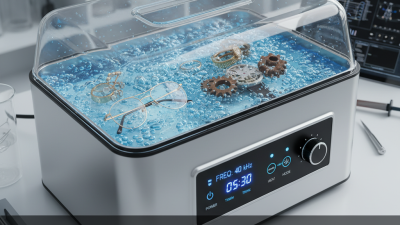
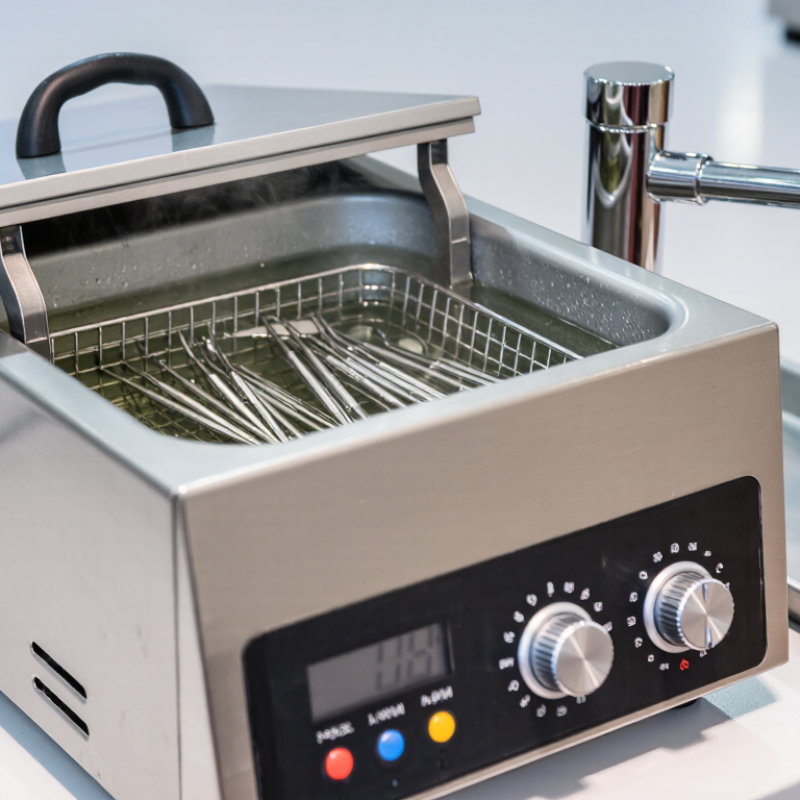
Ultrasonic cleaning machines use high-frequency sound waves to remove soil from complex surfaces. A generator converts electrical power into alternating current. Piezoelectric transducers then transform that current into mechanical vibration. The vibration travels through the cleaning liquid, creating microscopic bubbles. These bubbles collapse near a part’s surface and release localized energy. This process is called cavitation.
Frequency changes the cleaning character. Around 40 kHz often suits general industrial parts, while higher frequencies can produce smaller bubbles for delicate details. Lower frequencies may deliver stronger action, but they can increase surface risk.
Cleaning results also depend on temperature, detergent concentration, water quality, and loading density. A crowded basket can block sound energy. That detail is easy to overlook.
Grand View Research reported that the global ultrasonic cleaning market was valued at approximately USD 2.2 billion in 2023, with continued growth expected through 2030. Market estimates vary because some reports include equipment, while others include services and solutions. Buyers should examine the research scope carefully. In practical testing, operators should degas fresh solution, confirm operating temperature, and inspect hidden channels after cleaning. A bright metal surface is not proof of complete cleanliness. Residue may remain inside threads or narrow cavities. Trial data matters more than catalogue claims.
Matching Machine Specifications to Different Cleaning Requirements
Top Ultrasonic Cleaning Machines for Global Buyers
Matching Machine Specifications to Different Cleaning Requirements
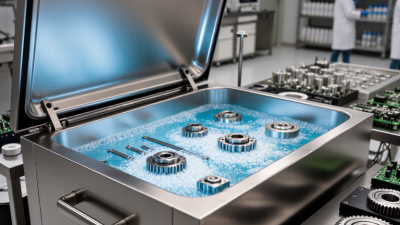
Choosing an ultrasonic cleaning machine starts with the workpiece, not the machine’s advertised power. Small precision parts often need higher frequencies, such as 60 kHz or above, for gentler cleaning. Larger metal components may benefit from lower frequencies and stronger cavitation. A 40 kHz setting can suit many general applications, but it is not automatically the best choice.
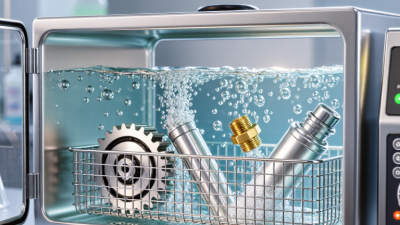
Tank size should leave room for fluid movement around each item. Overloading the basket creates shadowed areas and uneven results. Check tank dimensions, working depth, heater control, drainage, and basket capacity before comparing prices. For repeated production, stable temperature control and a timer can improve consistency. Stainless steel construction is practical, yet weld quality and transducer placement deserve closer inspection.
Tips: Match cleaning power to the material. Use lower heat for sensitive plastics and confirm chemical compatibility before operation. Test one sample first. Record the frequency, temperature, cycle time, and detergent concentration. This simple log supports repeatable results across different sites and power standards. Buyers sometimes focus only on wattage, which can be misleading. Effective cleaning also depends on loading, liquid level, part geometry, and maintenance. A machine may appear powerful but perform poorly when its tank is crowded. That detail is easy to miss.
Top Ultrasonic Cleaning Machines for Global Buyers
Matching machine specifications to different cleaning requirements
Typical reference values show how tank capacity and ultrasonic frequency change with cleaning requirements. Higher frequencies are generally preferred for delicate surfaces and small contaminants, while lower frequencies and larger tanks are commonly selected for heavy-duty components and industrial tooling.
Managing Global Sourcing, Shipping, Installation, and Maintenance
Global buyers should treat ultrasonic cleaning equipment as a complete supply project, not a simple online purchase.
UNCTAD’s Review of Maritime Transport reports that over 80% of global merchandise trade by volume moves by sea. That makes packaging, insurance, and port planning essential.
Specify tank capacity, ultrasonic frequency, heating range, basket size, voltage, and local plug requirements before requesting quotations.
Ask suppliers for test videos, material certificates, user manuals, and factory inspection records. A low price can become expensive when replacement parts cross borders.
Installation needs equal attention.
Confirm floor loading, drainage, ventilation, water quality, and electrical protection at the destination. For regulated workplaces, request applicable safety and electromagnetic documentation before shipment.
The World Bank’s Logistics Performance Index 2023 assesses 139 economies across customs, infrastructure, tracking, and timeliness.
Its message is practical: delivery performance depends on local capability, not only supplier promises.
Plan remote commissioning, operator training, and acceptance tests using actual contaminated parts.
I have seen projects fail because buyers tested only clean samples. That shortcut deserves criticism.
Tips:
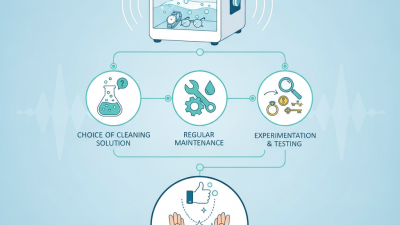
Use a landed-cost worksheet. Include freight, duties, insurance, installation, chemicals, filters, and training. Keep critical transducer or heater spares locally when possible. Set a maintenance calendar for solution changes, tank inspection, and ultrasonic performance checks. Record cleaning time, temperature, and results. These records expose weak settings early, although they may reveal that the original process assumption was wrong.