What is an Ultrasonic Cleaner and How Does it Work?
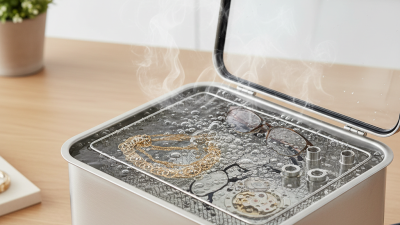
An Ultrasonic Cleaner is a powerful tool used widely for cleaning delicate and intricate items. Utilizing high-frequency sound waves, it creates ultrasonic waves that generate millions of tiny bubbles in a liquid solution. When these bubbles collapse, they produce a strong cleaning action. This technology is effective in removing dirt and grime from hard-to-reach places without harming the items being cleaned.
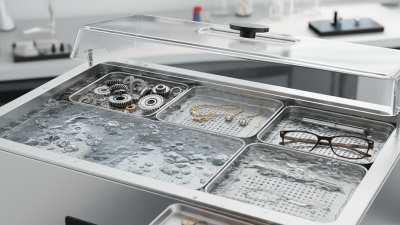
Many industries, from jewelry to automotive, rely on Ultrasonic Cleaners for their efficiency and thoroughness. They can clean various materials, including metals, plastics, and glass. However, careful selection of cleaning solutions is crucial. An inappropriate solution can cause damage or corrosion.
Understanding how to use an Ultrasonic Cleaner effectively requires some experience. Users must consider factors like temperature, timing, and the type of items being cleaned. It’s a learning process that can lead to both successful cleaning and occasional mistakes. With the right knowledge, an Ultrasonic Cleaner can be a valuable asset in maintaining the quality and appearance of various objects.
What is an Ultrasonic Cleaner?
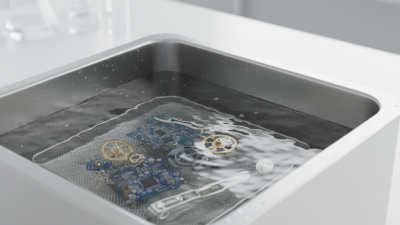
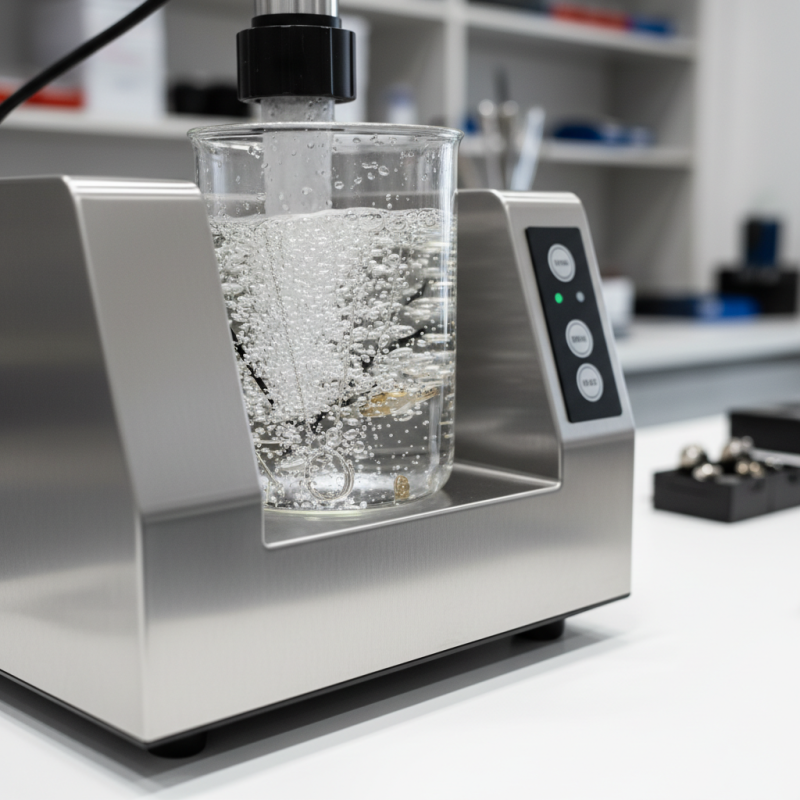
An ultrasonic cleaner is a device that uses high-frequency sound waves to clean various items. The technology is based on the principle of cavitation. When sound waves travel through a cleaning solution, they create tiny bubbles. These bubbles implode with force, dislodging dirt and contaminants from surfaces. This method is particularly effective for intricate objects with hard-to-reach areas.
Ultrasonic cleaners are widely used in various industries, including automotive, jewelry, and electronics. They can clean delicate parts without causing damage. For instance, jewelry can be restored to its original shine. However, not all materials are suitable for ultrasonic cleaning. Certain gemstones and components may be harmed by the process. It's essential to understand the limitations and the appropriate settings for each item.
Many users report mixed results when using ultrasonic cleaners. Some items emerge clean and sparkling, while others may retain residue. Factors such as the cleaning solution, temperature, and duration of the cleaning cycle play a crucial role. Experimentation can be key to achieving optimal results. It’s noticeable that different users experience varying levels of satisfaction.
Ultrasonic Cleaner Effectiveness by Frequency
This chart illustrates the effectiveness of ultrasonic cleaners at different frequency levels, commonly used for cleaning electronic components, jewelry, and various mechanical parts. Frequency levels impact the cleaning efficiency, with different materials responding better to specific frequencies.
The Science Behind Ultrasonic Cleaning Technology
Ultrasonic cleaning technology employs high-frequency sound waves to create cavitation bubbles in a liquid cleaning solution. When these bubbles collapse, they generate intense pressure and temperature, effectively dislodging dirt and contaminants from surfaces. This process allows for a deep clean that traditional methods often cannot achieve.
The science behind this technology lies in the frequency of the sound waves. Typically, ultrasonic cleaners operate between 20 kHz and 400 kHz. Lower frequencies create larger bubbles that provide a more aggressive cleaning action, while higher frequencies produce smaller bubbles for delicate items. This versatility makes ultrasonic cleaning suitable for a wide range of materials, but one must consider the specific needs of each object. Certain items may still require manual cleaning or care.
While ultrasonic cleaning is efficient, it is not foolproof. Some intricate designs or fragile items could be damaged if not handled properly. Understanding which objects are compatible is crucial for achieving optimal results. Care should be taken to select the right cleaning solution as well. Inadequate solutions might hinder the cleaning process or even cause harm, reflecting the importance of informed choices in ultrasonic cleaning technology.
Key Components of an Ultrasonic Cleaner
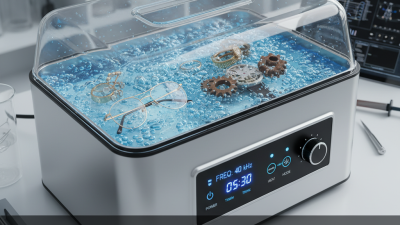
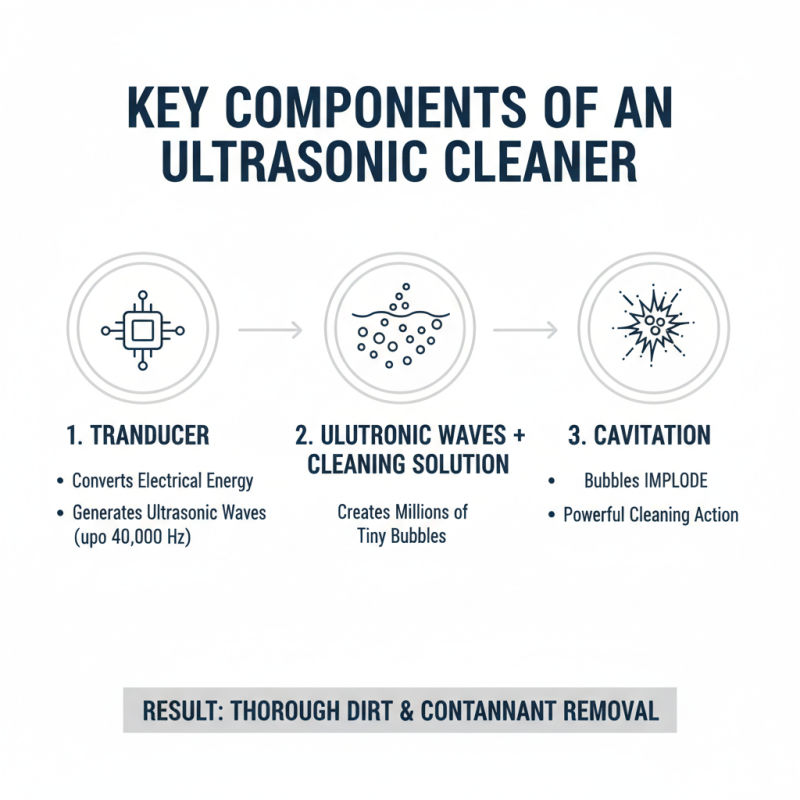
Ultrasonic cleaners rely on specific components to function effectively. The transducer is a key element. It converts electrical energy into ultrasonic waves. This process creates millions of tiny bubbles in a cleaning solution. As these bubbles implode, they generate powerful cleaning action known as cavitation. Reports show this action can reach as high as 40,000 Hz, resulting in thorough dirt and contaminant removal.
The cleaning tank is another vital component. It holds the liquid solution and the items to be cleaned. The size and material of the tank can influence performance. Common materials include stainless steel, which resists corrosion and damage. Various tank sizes cater to different cleaning needs. Research indicates that larger tanks can accommodate larger items but may also require longer processing times.
Heating elements also play an essential role. Warm cleaning solutions enhance the ultrasonic cleaning process. Studies suggest that a temperature increase of just 10 degrees Celsius can improve cleaning efficiency by up to 20%. However, excessive heat may damage delicate items. Proper monitoring of temperature is crucial. This balancing act highlights the need for understanding each component's role in creating an effective ultrasonic cleaning system.
Step-by-Step Operating Procedure of an Ultrasonic Cleaner
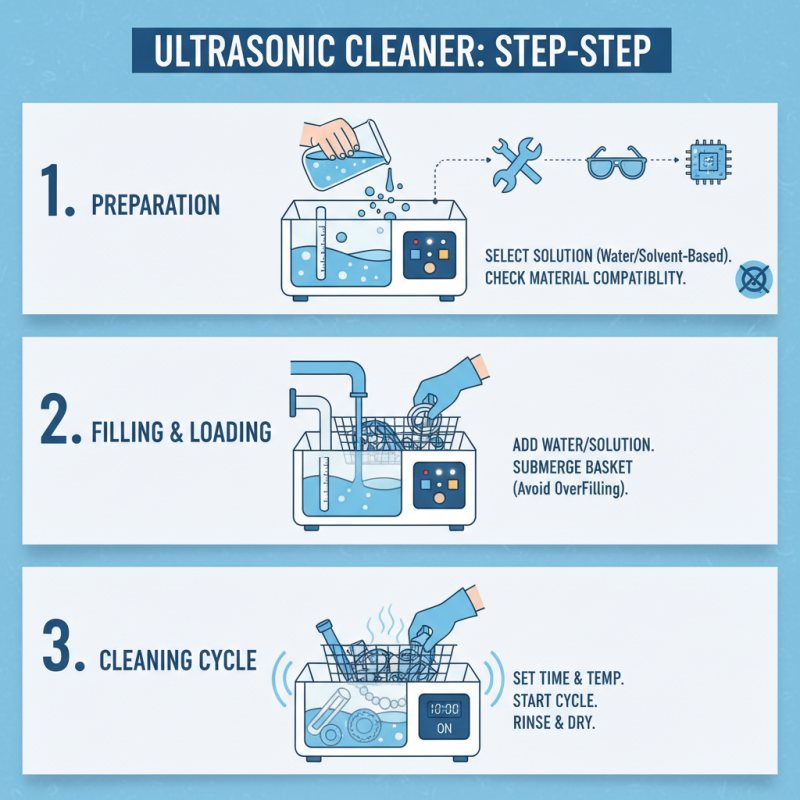
Operating an ultrasonic cleaner involves a specific process to achieve optimal cleaning results. The first step is preparation. Begin by selecting appropriate cleaning solutions based on the items to be cleaned. Solutions can range from water-based to solvent-based, depending on the dirt type. It's crucial to ensure compatibility with the materials being cleaned to avoid damage.
Next, fill the tank with the cleaning solution. The solution should cover the items fully, allowing ultrasonic waves to penetrate effectively. The right tank volume can enhance cleaning efficiency. According to industry reports, a tank volume that matches the cleaning load can improve ultrasonic activity and reduce cleaning time by 30% or more.
After filling the tank, set the ultrasonic cleaner's parameters. Common settings include temperature and time. Typically, cleaner temperatures should be between 50°F to 130°F. Longer cleaning times may not always yield better results. Over-soaking can lead to potential corrosion or damage. Monitor the items and check them at intervals. Adjust settings if necessary to achieve the desired cleanliness without risking your items' integrity. Regular calibration of settings ensures the equipment functions at peak efficiency.
Common Applications and Benefits of Ultrasonic Cleaning
Ultrasonic cleaning is a powerful cleaning method that utilizes high-frequency sound waves.
It creates millions of tiny bubbles in a liquid solution, which burst and generate a scrubbing action. This process effectively reaches intricate details
and hard-to-reach surfaces, making it invaluable in various sectors.
In the medical field, ultrasonic cleaners are often used to sterilize surgical instruments.
They remove blood, tissue, and other contaminants without damaging delicate equipment.
In jewelry, they can restore shine and remove tarnish from even the most intricate designs.
Even automotive parts benefit, as dirt and grime are efficiently removed, enhancing performance.
However, not all items can withstand ultrasonic cleaning.
Some materials may be sensitive to the process, leading to surface damage.
It's important to test and evaluate items beforehand. Additionally, the cleaning solution must be suitable to avoid chemical reactions.
Over time, users may notice that results vary based on the cleaning solution and temperature.
Understanding these factors is crucial for achieving optimal results.