Why Use a Portable Dissolved Oxygen Meter for Aquatic Testing?
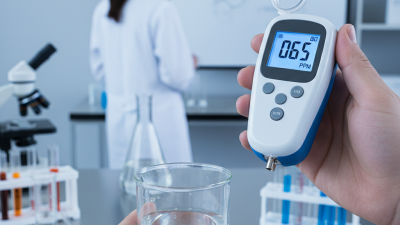
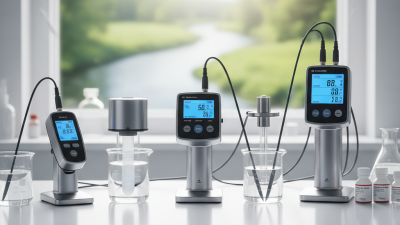
The importance of a Portable Dissolved Oxygen Meter in aquatic testing cannot be overstated. With rising concerns about water quality, accurate measurements of dissolved oxygen are essential. According to a report from the World Health Organization, nearly 2 billion people rely on contaminated water sources. This points to an urgent need for reliable testing equipment.
Dr. Emily Harper, a leading expert in aquatic science, emphasizes the significance of these meters. She states, "Monitoring dissolved oxygen levels is crucial for the health of aquatic ecosystems." This highlights the responsibility researchers and environmentalists have in ensuring water quality. A Portable Dissolved Oxygen Meter allows quick, on-site assessments that enhance data accuracy.
While the technology has advanced significantly, challenges remain. Some users find the calibration process tricky and time-consuming. Also, not all meters offer the same level of accuracy. This can lead to varied results. Continuous training is essential for accurate use. Understanding these challenges can lead to improved methods and better outcomes in aquatic life conservation.
Advantages of Using a Portable Dissolved Oxygen Meter in Aquatic Environments
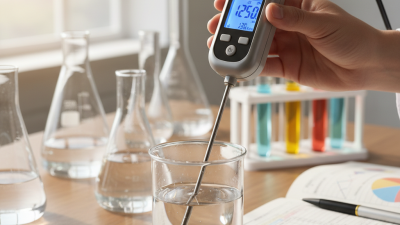
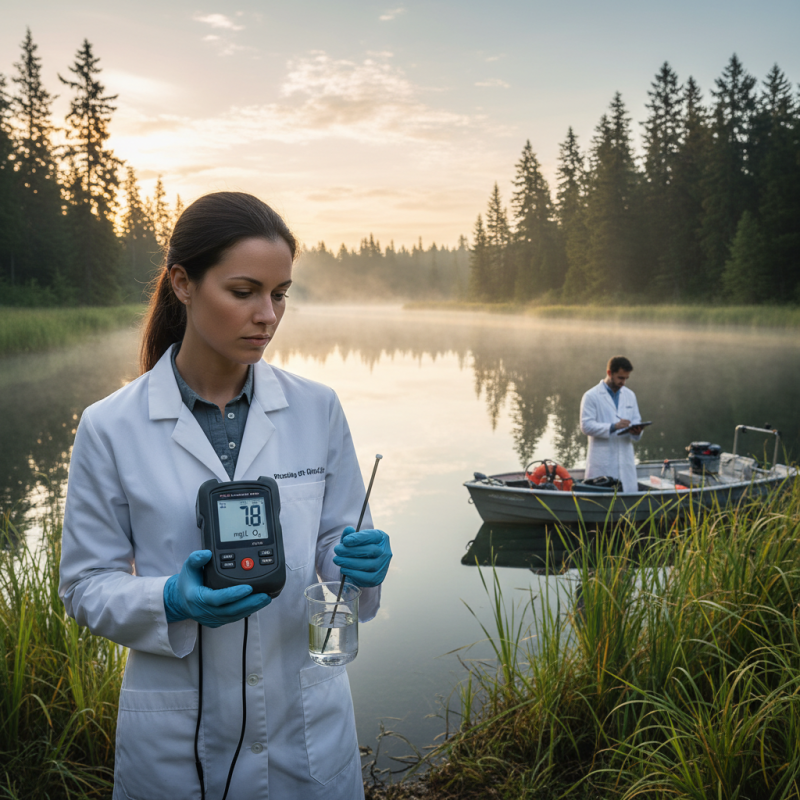
When conducting aquatic testing, a portable dissolved oxygen meter offers significant benefits. These devices are small and lightweight, making them easy to transport. You can take them anywhere, from lakes to aquariums. This mobility allows for testing in various aquatic environments without hassle.
Real-time measurements are crucial. A portable meter gives immediate results, which can enhance decision-making. For instance, if you monitor fish health, quick readings help you respond swiftly. You can adjust conditions as needed to ensure a healthy habitat. However, be aware that environmental factors can affect readings. Regular calibration might be necessary for accuracy.
Tips: Always check the battery level before heading out. A low battery can lead to problems during testing. Also, consider the temperature. Calibration may be needed if the temperature fluctuates significantly. In inconsistent environments, the portable meter might not always deliver precise results. Regularly practice using the device to gain confidence in your readings.
Key Features of Portable Dissolved Oxygen Meters in Field Testing
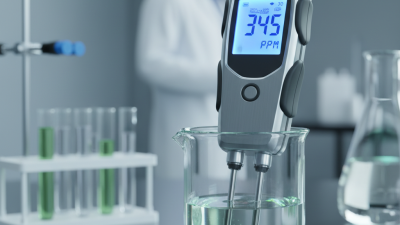
Portable dissolved oxygen meters are essential tools for anyone involved in aquatic testing. They offer several key features that enhance field research. One important aspect is their compact design. This makes them easy to carry anywhere. Researchers can quickly test water samples in various environments, from streams to lakes.
Another valuable feature is real-time data display. Many meters provide immediate readings of dissolved oxygen levels. This allows users to respond quickly to changes in water quality. It’s crucial for assessing the health of aquatic ecosystems. However, sometimes, these meters require calibration. Ensuring accuracy can be a challenge in the field.
Durability also stands out as a feature. Many portable meters are designed to withstand rugged conditions. Users can drop them or expose them to moisture without worry. Yet, mishaps can still happen. Consistent maintenance and careful handling are necessary to prolong their lifespan. Overall, while portable dissolved oxygen meters provide great convenience, they come with responsibilities that users must manage.
Comparative Analysis: Laboratory vs. Portable Dissolved Oxygen Measurements
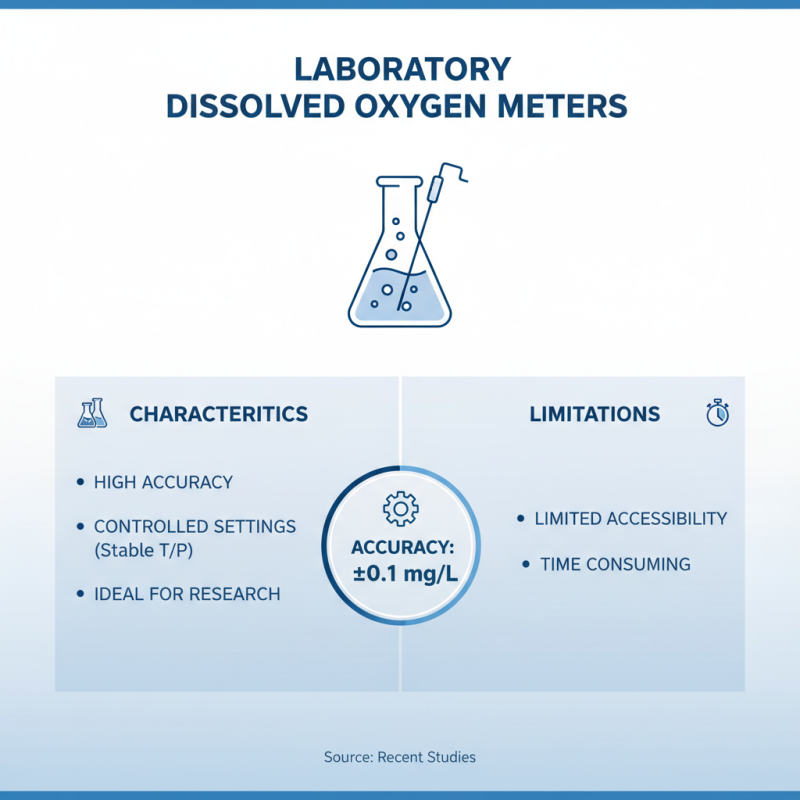
When it comes to measuring dissolved oxygen levels, both laboratory and portable meters have their places. Laboratory-grade meters typically deliver highly accurate readings. They are designed for controlled settings with stable temperature and pressure. According to recent studies, lab measurements can deviate by as little as 0.1 mg/L, making them ideal for research. However, their use can be limited by accessibility and time constraints.
On the other hand, portable dissolved oxygen meters are crucial for field testing. They offer flexibility and immediate results. Research indicates that many portable meters maintain an accuracy of around 0.2 mg/L, which is acceptable for many aquatic assessments. In real-world conditions, factors like temperature swings and turbulent waters can cause variations in readings. Field testing may reflect slight discrepancies compared to lab readings, making it essential to calibrate instruments regularly.
Moreover, the choice between the two often raises questions. Are the finer details captured in a lab worth the wait? Or do the practicality and quick turnaround of portable meters outweigh lab precision? Testing in diverse environments often leads to unforeseen challenges. Not all portable meters are designed equally. Their reliability can greatly depend on user expertise and environmental conditions. This balance of accuracy versus practicality deserves further contemplation.
Impact of Dissolved Oxygen Levels on Aquatic Life and Ecosystem Health
Dissolved oxygen (DO) levels are vital for aquatic ecosystems. Fish, plants, and microorganisms rely on sufficient DO for survival. Studies show that most fish species require at least 5 mg/L of DO to thrive. Lower levels lead to stress and can cause mortality.
Eutrophication is a common problem caused by excess nutrients in water, leading to algae blooms. When these algae die, DO levels drop significantly. The lack of oxygen can create "dead zones" where aquatic life cannot survive. In a staggering report, areas like the Gulf of Mexico experience seasonal dead zones, often exceeding 6,000 square miles.
**Tip:** Regularly monitor DO levels using portable meters. This helps catch issues early.
Moreover, temperature plays a role in DO levels. Warmer water holds less oxygen. This is worrisome as climate change increases water temperatures. Aquatic species may struggle to adapt. It’s essential to understand local conditions and the specific needs of different species.
**Tip:** Take readings at different times of the day. DO levels can fluctuate greatly. Knowledge is key to protecting aquatic life.
Such insights highlight the importance of dissolved oxygen in maintaining ecosystem health. The balance is fragile, and ongoing monitoring is necessary to avoid the decline of aquatic habitats. The challenge lies in using this data effectively to support conservation efforts.
Why Use a Portable Dissolved Oxygen Meter for Aquatic Testing? - Impact of Dissolved Oxygen Levels on Aquatic Life and Ecosystem Health
| Location |
DO Level (mg/L) |
Temperature (°C) |
Aquatic Life Impact |
| Lake A |
8.5 |
20 |
Healthy fish populations |
| River B |
6.0 |
22 |
Moderate stress on aquatic life |
| Pond C |
4.2 |
18 |
High mortality rates in fish |
| Estuary D |
10.1 |
21 |
Thriving ecosystem |
| Ocean E |
7.8 |
19 |
Stable fish communities |
Best Practices for Accurate Aquatic Testing with Portable Meters
When performing aquatic testing, accuracy is crucial. Using a portable dissolved oxygen meter ensures that measurements are reliable. Studies report that dissolved oxygen (DO) levels below 5 mg/L can harm aquatic life. This emphasizes the need for precise readings in maintaining healthy ecosystems.
Tips: Always calibrate your meter before use. This small step can significantly improve data quality. Regular calibration ensures your readings stay within acceptable limits.
Water conditions can change rapidly. Temperature and salinity affect DO levels greatly. Conducting tests during different times of the day can reveal variations. Accuracy hinges on understanding these environmental impacts. Misinterpretation can lead to misguided management practices.
Tips: Record data meticulously. A logbook helps track trends over time. This practice aids in identifying patterns and anomalies that may arise.
In the field, challenges may arise. Sometimes, the meter may show fluctuations in readings. Light interference or bubbles can create issues. Regularly check your equipment and be aware of potential variables. Understanding these factors is essential for effective aquatic testing.
Portable Dissolved Oxygen Meter Readings
This chart displays the dissolved oxygen levels measured in different aquatic environments using a portable dissolved oxygen meter. The measurements are crucial for understanding the health and quality of water in various locations.