10 Essential Tips for Using a Water Conductivity Meter Effectively?
Measuring water conductivity is crucial in various industries. The Water Conductivity Meter serves as an essential tool for evaluating water quality. It's widely used in environmental monitoring, chemical manufacturing, and aquaculture. According to a 2022 industry report by AquaMetrics, over 70% of water quality assessments rely on this equipment.
Dr. Emily Chen, a leading expert in water quality analysis, emphasizes, "Understanding conductivity levels can help prevent serious environmental issues." Conductivity measurements indicate the presence of dissolved salts and minerals in water. Accurate readings can guide necessary adjustments in water treatment processes.
However, many users overlook common pitfalls. Calibration errors and improper usage can lead to misleading results. The lack of regular maintenance can also affect measurement accuracy. Experts recommend a practical approach to ensure reliability. Understanding these nuances is vital for effective use of a Water Conductivity Meter.
Understanding Water Conductivity: The Basics of Measurement
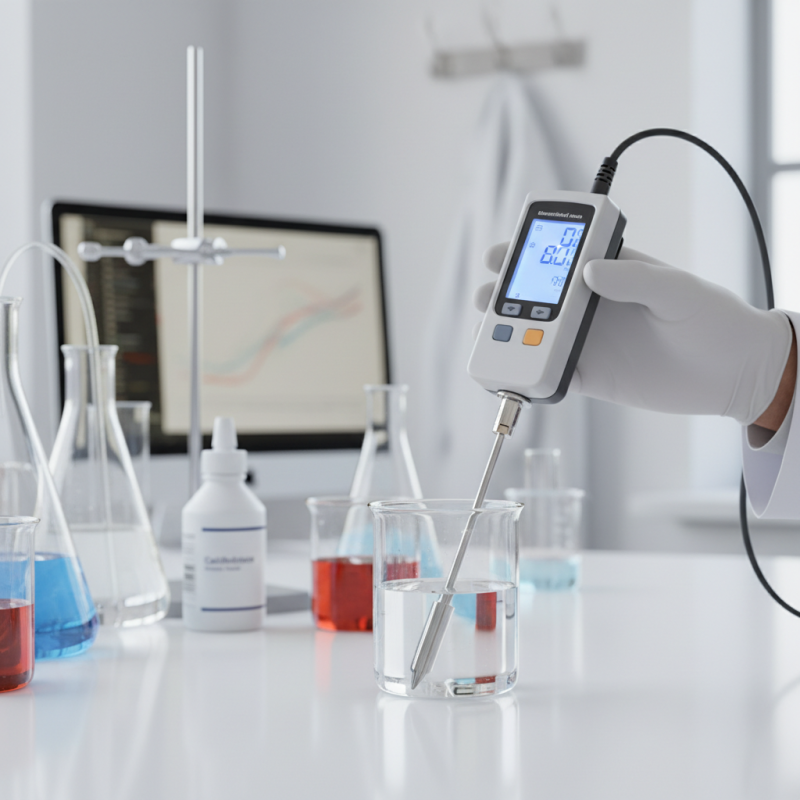
Water conductivity is a key metric for assessing water quality. It measures how well water can conduct electricity. This property primarily depends on the concentration of ions in the water. Higher conductivity indicates more dissolved salts and minerals. It can reflect pollution levels and ecological health. Thus, understanding this measurement is crucial.
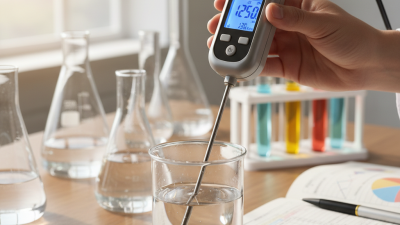
Using a conductivity meter involves more than just taking a reading. Calibration is vital for accuracy. The meter should be zeroed in clean water first. Regular maintenance of the probe is equally important. This ensures consistent and reliable results. Many neglect checking the temperature effect on readings, which can lead to errors.
Interpreting the numbers can be confusing. Higher conductivity values can signify either natural mineralization or contamination. A thoughtful approach is necessary. Understanding the source of the water is essential. Conductivity does not provide a complete picture. Careful observation and additional tests are often needed to gauge water quality accurately.
Choosing the Right Water Conductivity Meter for Your Needs
Choosing the right water conductivity meter is crucial for accurate measurements in various applications. A conductivity meter measures the ability of water to conduct electricity, which relates to the ion concentration in the water. Different environments demand different features. Some meters are handheld, while others are benchtop models.
When selecting a conductivity meter, consider the range of conductivity you need. For instance, a meter with a range up to 200 mS/cm is suitable for salty water. In contrast, freshwater applications might require a meter that measures only up to 5 mS/cm. Also, look into the calibration options. Meters requiring frequent recalibration can be inconvenient. According to industry reports, nearly 30% of measurements are compromised due to improper calibration.
Durability is another aspect to reflect on. If you need a portable option, ensure it's rugged. Some meters claim to be waterproof but may not withstand harsh conditions. Pay attention to the probes too; they should be replaceable for long-term use. By pondering these factors, you can avoid common pitfalls and make an informed decision.
Water Conductivity Levels in Different Water Samples
Calibration Techniques for Accurate Conductivity Measurements
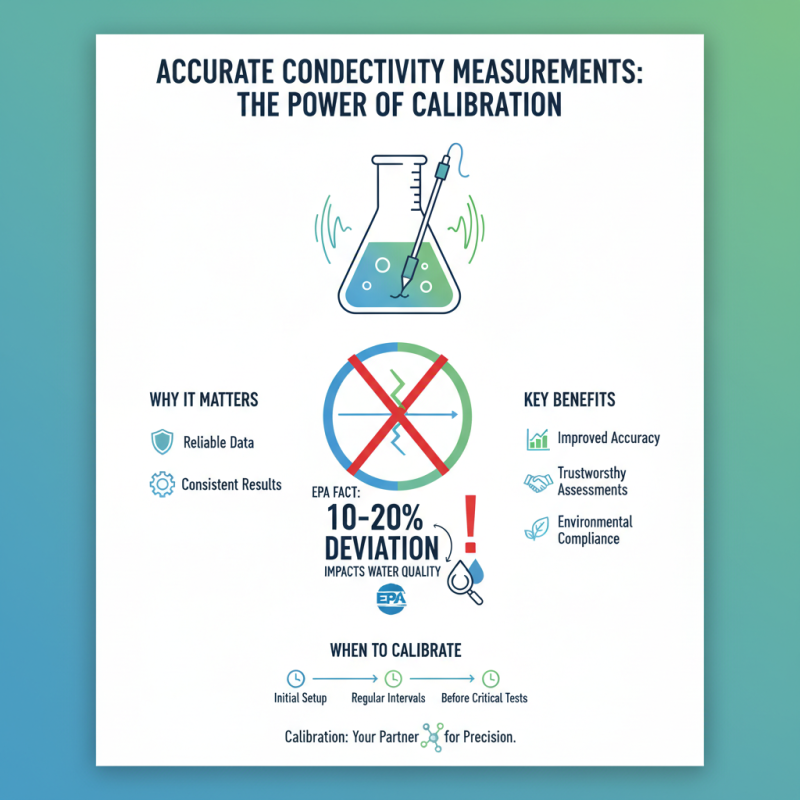
Calibration is crucial for accurate conductivity measurements. It ensures that the meter provides reliable data. Regular calibration can make a significant difference in results. According to the Environmental Protection Agency (EPA), even a slight calibration error can lead to a 10-20% deviation in readings. This impacts water quality assessments profoundly.
Using standard solutions for calibration is common practice. Typically, a 1,000 µS/cm solution is used. This benchmark provides a solid reference point. However, users should be aware of temperature variations. Temperature affects conductivity readings significantly. The meter should be temperature-compensated to ensure accuracy. Many professionals forget this aspect. Adjusting for temperature is essential in diverse environments.
In addition to standard solutions, periodic checks with multiple conductivity standards are beneficial. This helps to detect drift over time. A study conducted by the American Water Works Association (AWWA) found that nearly 25% of field meters are out of calibration. Incorrect readings from these meters can lead to flawed assessments and actions. Users need to establish a routine calibration schedule to maintain precision. Regular maintenance and calibration checks can help avoid costly mistakes in water quality management.
Best Practices for Maintaining Your Conductivity Meter
Maintaining your water conductivity meter is crucial for accurate readings. Regular calibration is one of the best practices. A study by the National Environmental Laboratory Accreditation Conference indicates that meters should be calibrated at least once a month. Neglecting this can lead to errors that may affect your data quality.
Tip 1: Always store the meter according to the manufacturer's instructions. Improper storage can lead to damage, affecting your measurements.
Routine cleaning is another important aspect. Use distilled water to rinse the probe after every use. This simple step helps remove contaminants. In doing so, you can avoid cross-contamination between different samples. A clean probe ensures that your readings are accurate and reliable.
Tip 2: Inspect the probe regularly for signs of wear or damage. Even minor scratches can interfere with conductivity reads. If you notice any issues, consider replacing the probe.
Lastly, monitor your meter's battery status. Low battery power can affect performance. Regularly changing the batteries can prevent unexpected failures during critical measurements.
Tip 3: Document all maintenance activities. Keeping records can help identify patterns that signal when maintenance is needed. This reflection can enhance overall effectiveness and prolong the life of your equipment.
Interpreting Conductivity Readings and Their Implications
Understanding water conductivity readings is crucial for effective monitoring. Conductivity measures the water's ability to conduct electricity. This ability often indicates the presence of dissolved minerals and salts. For instance, a conductivity reading of 1000 µS/cm might suggest moderate mineral content, typical for drinking water. Higher values, like over 5000 µS/cm, often indicate brackish conditions. It's vital to know your water source's baseline to interpret these readings accurately.
When measuring conductivity, time and temperature play significant roles. Conductivity increases with temperature; warm water contains more energy for ion movement. Hence, a reading taken in different temperatures may lead to confusion. It’s not uncommon to forget calibration or adjust readings based on temperature. A review of industry data shows that a 1°C temperature increase can increase conductivity by about 2% to 3%. This variability can complicate data interpretation. Therefore, documenting environmental conditions during measurements helps track trends over time. Noting seasonal changes or water source variance deepens insights into water quality management. Understanding these implications fosters a more informed perspective on water quality assessment.
10 Essential Tips for Using a Water Conductivity Meter Effectively
| Tip |
Description |
Recommended Conductivity Range (µS/cm) |
Implications of Readings |
| Calibration |
Regularly calibrate your meter with standard solutions to ensure accuracy. |
0 - 1000 |
Low ionic strength, suitable for drinking water. |
| Temperature Compensation |
Utilize automatic temperature compensation to correct measurements. |
Until 2000 |
Indicates moderate ionic concentration, possible agriculture use. |
| Sample Preparation |
Ensure samples are well mixed before measuring to get uniform results. |
2000 - 5000 |
High ionic concentration, not suitable for drinking. |
| Measurement Consistency |
Take multiple readings and average them for consistency. |
Above 5000 |
Very high ionic levels, possible pollution or brine. |
| Device Maintenance |
Clean electrodes and store properly to extend lifespan. |
N/A |
Ensures reliable operation and accurate results. |
| Using the Right Accessories |
Use appropriate probes and accessories suitable for your applications. |
N/A |
Improves accuracy and reliability of measurement. |
| Interference Awareness |
Be aware of substances that can affect conductivity readings. |
N/A |
Ensure correct interpretation of readings. |
| Regular Testing |
Set a routine schedule for testing water sources. |
N/A |
Helps in monitoring changes over time. |
| Documentation |
Keep a log of readings and conditions for future reference. |
N/A |
Facilitates comparison and analysis of data trends. |