Why You Should Choose a Portable Conductivity Meter for Your Water Testing Needs?
Water quality testing has become increasingly important in recent years. With the rise of environmental concerns, accurate data is crucial. A Portable Conductivity Meter plays a significant role in this field. According to the Environmental Protection Agency (EPA), monitoring water conductivity can help assess pollution levels. Conductivity meters measure the water's ability to conduct electricity, indicating the presence of dissolved salts and pollutants.
Portability is a key feature of these meters. They allow for on-the-go testing, providing immediate results. This is especially beneficial for field studies or remote locations where access to laboratories is limited. The global water testing market is projected to reach $5 billion by 2025, showcasing the growing emphasis on water quality. Using a Portable Conductivity Meter enhances the accuracy of results in various settings, from rivers to aquifers.
However, users must be aware of potential inaccuracies that can arise from improper calibration. Regular maintenance and calibration are essential for reliable results. While Portable Conductivity Meters offer convenience, understanding their limitations is vital. Balancing ease of use with reliability can lead to better water quality assessments. Investing in a Portable Conductivity Meter supports informed decisions for a healthier environment.
Advantages of Portable Conductivity Meters for Water Testing
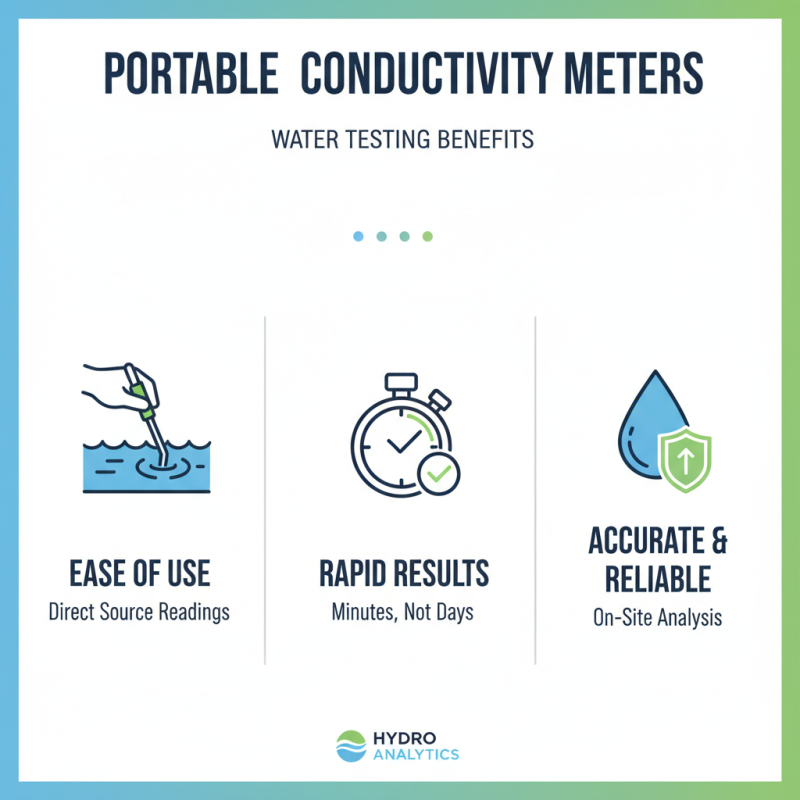
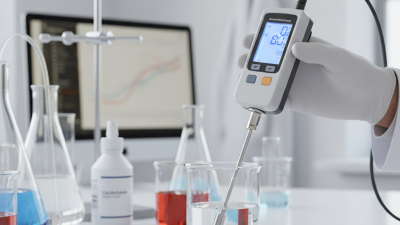
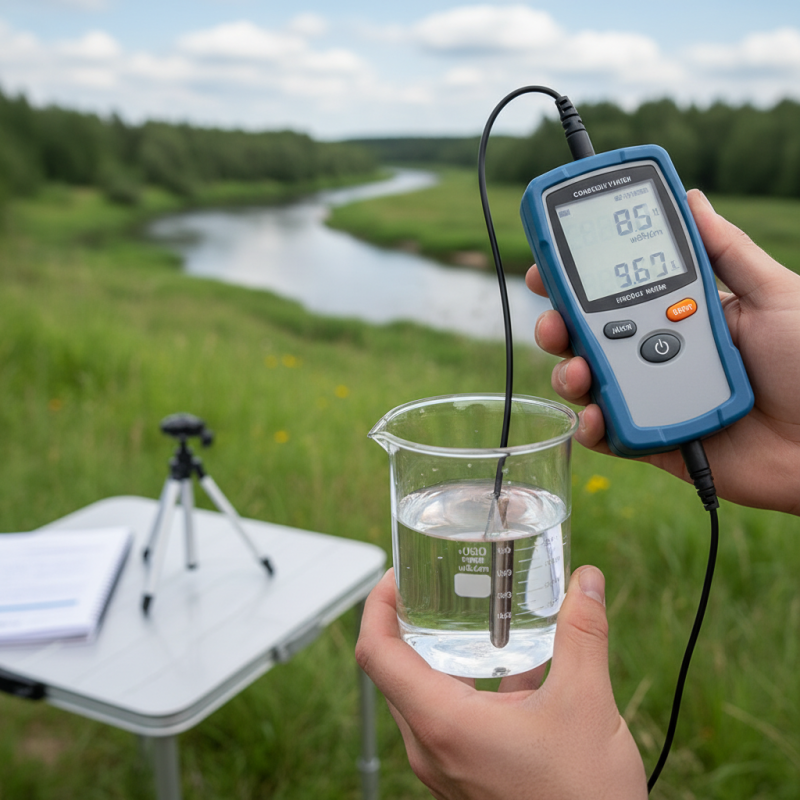
Portable conductivity meters have become essential tools for water testing. They offer various advantages that make them highly beneficial for both professionals and enthusiasts. One significant benefit is the ease of use. Users can take readings directly at the water source, ensuring accurate measurement without the logistical challenges of moving samples to a lab. According to a recent industry report, portable meters can deliver results within minutes, proving much faster than sending samples for analysis.
Tip: Always calibrate your portable meter before use for the best accuracy.
Another crucial advantage is the portability itself. Lightweight and compact, these devices can be easily carried to remote locations. This capability is vital for field studies or environmental assessments. Plus, many models are robust and durable, designed to withstand harsh conditions. However, it’s essential to recognize that, while portable, these meters may require careful handling and maintenance to ensure longevity.
Tip: Regularly clean the probe to maintain performance.
Lastly, portable conductivity meters can measure various parameters beyond conductivity, such as temperature and salinity. This versatility enhances their utility in diverse settings, from agriculture to aquaculture. Yet, it is vital to understand their limitations. They may not provide the precision of high-end lab equipment. Users should consider this when making decisions based on water quality tests.
Key Features to Consider in a Portable Conductivity Meter
When selecting a portable conductivity meter, consider accuracy. A reliable meter should provide precise readings under various conditions. Look for devices with automatic temperature compensation. This feature ensures readings reflect actual water conditions, not just the temperature.
Portability is key. Choose a meter that is lightweight and easy to use. A compact design allows for on-the-go testing. Some meters even come with protective cases, ensuring durability. Battery life is vital. Long-lasting batteries keep the meter functional during extended trips.
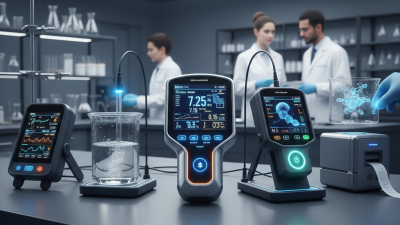
Pay attention to the display. A clear, backlit screen makes readings easy to interpret, even in low light. Some models offer hold functions for capturing readings. However, ensure the interface is user-friendly. Complicated menus can lead to mistakes. Think about the calibration process, too. Regular calibration is necessary for accuracy, but it can be tedious. Balancing these features is essential for an effective testing experience.
Why You Should Choose a Portable Conductivity Meter for Your Water Testing Needs? - Key Features to Consider in a Portable Conductivity Meter
| Feature |
Description |
Importance |
| Portability |
Compact design for easy transport. |
Ideal for field testing. |
| Measurement Range |
Wide range of conductivity levels. |
Versatile for different water sources. |
| Accuracy |
High precision readings. |
Critical for reliable data. |
| Ease of Use |
Simple interface with quick calibration. |
Reduces user errors. |
| Durability |
Rugged construction to withstand tough conditions. |
Longevity in field applications. |
| Battery Life |
Long-lasting batteries for extended use. |
Essential for outdoor testing sessions. |
| Data Logging |
Capability to store multiple readings. |
Helpful for tracking changes over time. |
| Calibration |
Support for standard solutions for calibration. |
Ensures accuracy and reliability. |
Comparison of Portable vs. Stationary Conductivity Meters
When it comes to testing water conductivity, the choice between portable and stationary meters can significantly impact your results. Portable conductivity meters offer mobility. You can use them anywhere, from the field to the lab. According to a recent industry study, portable meters can reduce response time by up to 30%. This means quicker decisions based on accurate data.
On the other hand, stationary meters are often more precise. They are suitable for long-term monitoring. However, they lack the flexibility that many modern applications require. A report from the American Environmental Association reveals that fixed systems can miss transient changes in water quality. This aspect poses a challenge for researchers who need real-time data.
While portable meters provide convenience, they may not always match the accuracy of stationary units. Variations in temperature and user handling can affect readings. One must consider these factors when deciding which meter to use. The right choice depends on specific testing needs and conditions.
Applications of Portable Conductivity Meters in Various Industries
Portable conductivity meters are essential tools across various industries. In agriculture, they monitor soil health and irrigation water quality. A 2022 report from the Agriculture Water Management Journal stated that over 40% of crop yield is linked to water quality. By measuring conductivity, farmers can prevent crop damage from high salinity levels.
In the aquatic industry, these meters are vital. Aquarists and fisheries rely on accurate conductivity readings for fish health. Improper water conditions can lead to high mortality rates. The Fisheries Science Bulletin indicated that 75% of fish stress issues arise from poor water quality. Portable meters help ensure that the aquatic environment remains suitable for fish survival.
The chemical manufacturing sector also sees significant benefits. On average, a facility loses thousands due to quality control failures. These meters provide instant feedback on mixture accuracy. Yet, many companies still overlook their importance. Crafting effective chemistries without real-time data is a gamble. Portable conductivity meters are an investment, yet some hesitate due to costs. However, the potential savings are immense.
Applications of Portable Conductivity Meters in Various Industries
Tips for Effective Use and Maintenance of Portable Conductivity Meters
When using a portable conductivity meter, proper techniques enhance accuracy. Start by calibrating the device regularly. Calibration ensures that the measurements are precise and reliable. Use standard solutions for calibration and follow instructions closely. Avoid rushing this process; it can lead to errors.
Cleaning the electrode is crucial for maintenance. Rinse it with distilled water after every use. This prevents residue buildup. Allow the electrode to air dry before storage to avoid damage. If the electrode becomes damaged, it can affect readings dramatically. Be aware that regular checks for wear and tear are necessary; neglecting this can lead to incorrect measurements.
Always store the portable meter in a protective case. This adds a layer of safety during transport. However, some users may forget this step, risking damage to the device. Keep a user manual handy for reference on best practices. Misunderstanding the functions can lead to mistakes. Taking time to reflect on usage habits can improve overall results.