How to Choose the Best Cassette Sterilizer for Your Needs?
Choosing the right Cassette Sterilizer can be daunting. Many options flood the market, each claiming superiority. Understanding their differences is key to making an informed decision.
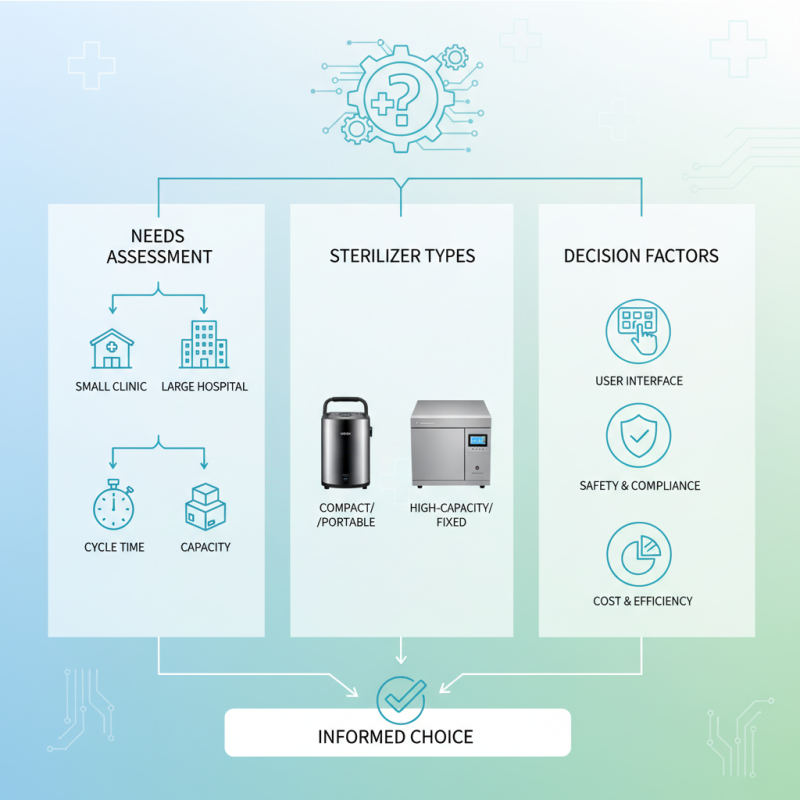
A Cassette Sterilizer is crucial for maintaining a sterile environment in various settings. These devices help healthcare professionals ensure patient safety. However, not all sterilizers are created equal. Your specific needs matter significantly. Are you in a small clinic or a larger hospital?
Consider the capacity, cycle time, and user interface. Features can vary widely and impact daily operations. It’s essential to reflect on your requirements. Do you need something portable or compact? Evaluating your priorities can lead to better choices. Selecting the best Cassette Sterilizer may require time, but the benefits of making the right choice are invaluable for safety and efficiency.
Understanding the Functionality of Cassette Sterilizers
Cassette sterilizers are crucial in modern healthcare settings. They use high-temperature steam or other gases to eliminate harmful microorganisms. Understanding their functionality is key to selecting the right one. The sterilization cycle typically involves heating, holding, and cooling phases. Each phase plays a vital role in ensuring that instruments are safe for use.
Different models offer varying features, including cycle times and load capacities. Some sterilizers may be faster but might not penetrate complex shapes effectively. Therefore, it’s essential to assess what instruments will be processed regularly. User experience can vary significantly based on the specific design and controls available.
While some may prefer automated systems, manual options provide flexibility. Yet, manual processes require strict adherence to protocols. This balance of control and convenience can sometimes lead to oversights. Continuous training for staff is also necessary to avoid discrepancies in sterilization practices. Evaluating user feedback can reveal unanticipated flaws that affect performance and results.
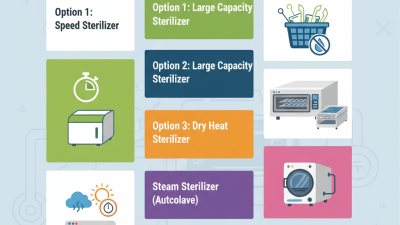
Comparison of Cassette Sterilizer Features
Assessing Your Sterilization Needs Based on Usage
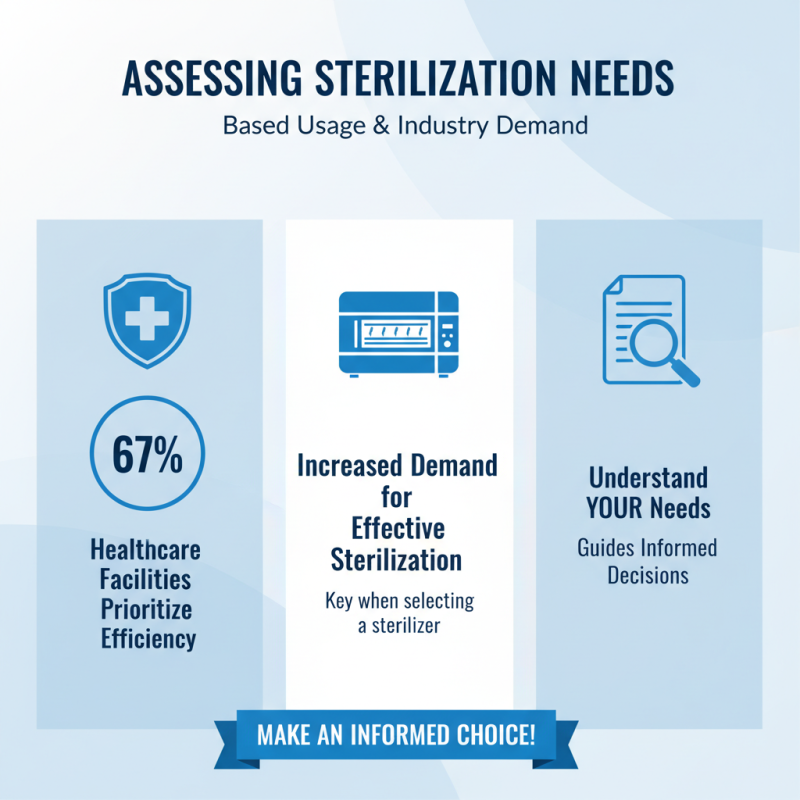
Assessing your sterilization needs is crucial when selecting a cassette sterilizer. The healthcare industry shows an increased demand for effective sterilization methods. According to a recent report, approximately 67% of healthcare facilities prioritize sterilization efficiency in their operations. Understanding these needs will guide you in making an informed decision.
Consider the frequency of sterilization in your facility. High-volume clinics often require sterilizers that are faster and more efficient. Reports indicate that over 45% of dental practices perform sterilization multiple times daily. Additionally, think about the types of instruments being sterilized. Different materials may require specific sterilization methods to ensure safety and efficacy. For example, metal tools may need different conditions than plastic items.
Evaluate the size of the sterilization area as well. Space constraints can affect your choice. Some facilities may struggle with limited square footage, which can restrict equipment placement. Also, be aware of the maintenance and support that comes with the sterilizer. Regular maintenance is vital, and many facilities overlook this aspect, leading to inefficiencies. Finding a balance between capacity and practicality is essential for successful sterilization practices.
Evaluating Key Features of Cassette Sterilizers
When evaluating cassette sterilizers, several key features must be considered.
The size and capacity of the unit are crucial. Smaller units might be ideal for clinics with limited space.
Larger units can handle more items but may take longer to complete cycles.
Evaluate how much sterilization capacity your practice needs.
Temperature control is another important feature.
Look for a sterilizer that ensures consistent temperatures throughout the cycle.
This prevents incomplete sterilization. Some users encounter issues with temperature fluctuations,
which can affect outcome reliability.
The ease of use is vital as well. A user-friendly interface saves time.
Complicated controls may frustrate staff, leading to errors.
Maintenance should also be straightforward. Regular cleaning and servicing should not be overly complex.
Some models require meticulous upkeep, which can lead to inconsistencies over time.
Consider how often you'll need to service the device and if it fits your operational capacity.
Comparing Brands and Models in the Market
When comparing brands and models of cassette sterilizers, it's essential to consider specific features that align with your needs. Many devices use similar principles for sterilization, but differences in effectiveness can be significant. Look for sterilizers that meet established safety standards. Some models are more user-friendly, while others might offer advanced features that professionals prefer.
Pricing also varies greatly. Some high-end models feature automated functions, making them easier to use. However, these advanced options may not be necessary for everyone. Evaluate what aspects are crucial for your practice. Consider your usual workload and sterilization volume. A lower-capacity sterilizer may work for small clinics but fall short in busier environments.
Finally, read user reviews and professional insights. They can reveal potential flaws or advantages that specifications might not fully address. Some users have reported inconsistent results with certain brands. This feedback is vital in making an informed choice. A reliable sterilizer enhances safety, so investing time in research is crucial. Emphasize practicality over brand loyalty; the right model suits your specific context rather than market popularity.
Budget Considerations: Finding Value in Sterilizers
Choosing a cassette sterilizer requires careful consideration of your budget. Start by identifying your essential needs. Do you require rapid cycle times or specific load capacities? These factors directly influence the cost. Higher efficiency models may offer better performance but come with a price tag. It's essential to weigh the performance against what you can afford.
When estimating your budget, account for additional costs like maintenance and supplies. Some sterilizers might have lower upfront costs but higher long-term expenses due to frequent servicing or special sterilization pouches. Always research potential hidden costs. A budget-friendly option might fall short if it leads to higher operating expenses.
Evaluate whether you're getting value for your money. Read reviews from trusted sources that discuss the durability and reliability of different models. Consider longevity and warranty options. A more expensive model could prove cheaper over time if it lasts longer than its cheaper counterparts. Don't rush; reflect on what you truly need versus what seems appealing. Making a wise choice is key to satisfying both your operational and financial requirements.