What is the Best Water Quality Meter for Your Needs?
Choosing the right Water Quality Meter can be daunting. With numerous options available, understanding your specific needs is crucial. Dr. Emily Johnson, an expert in water quality assessment, states, "A quality meter can mean the difference between clean water and potential health risks." Her perspective underscores the importance of selecting a reliable device.
Water Quality Meters analyze essential parameters like pH, turbidity, and dissolved oxygen. Each measurement provides insights into water safety and quality. However, not all meters cater to every situation. Some may be too advanced for casual users, while others might lack precision for professional environments.
Many people overlook calibration and maintenance, which are vital for accuracy. An improperly maintained meter can lead to questionable results. This can create trust issues in the data. Assessing your requirements and understanding how each meter functions can lead you to the most suitable choice.
Factors to Consider When Choosing a Water Quality Meter
When selecting a water quality meter, several key factors should be taken into account. Accuracy is paramount. A reliable device can effectively measure various parameters such as pH, turbidity, and conductivity. According to industry reports, meters with an accuracy level of ±0.01 pH units are generally recommended for precise readings.
Durability is another essential aspect. Water quality meters often face harsh conditions. A robust design can withstand frequent use in the field or laboratory. Devices with waterproof features ensure longevity, especially in outdoor settings. Additionally, calibration frequency should not be overlooked. Many experts suggest that regular calibration, at least every three months, maintains a meter's performance.
User-friendly features enhance the overall experience. Intuitive interfaces improve efficiency, especially for those less familiar with technical equipment. Some models include data logging capabilities, which support long-term monitoring. However, it’s crucial to be aware that not all meters collect data effectively. Over time, meters may falter in providing consistent results. Regular maintenance and updates are necessary to address these shortcomings and ensure accurate measurements.
Types of Water Quality Meters Available on the Market
When considering water quality meters, it’s essential to understand the variety available. There are basic meters that test for specific parameters, like pH. These inexpensive devices can provide quick insights, making them a popular choice for home use. However, they often lack the accuracy needed for detailed analysis.
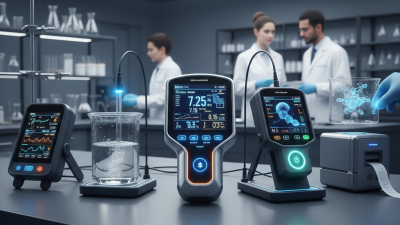
Advanced water quality meters usually combine multiple functions. They can measure pH, turbidity, and dissolved oxygen. These models are more reliable, but they come at a higher price. Users must ensure they understand calibration and maintenance processes. Sometimes, users overlook these details, leading to inaccurate results.
Moreover, portable meters offer convenience for fieldwork. They are compact and easy to carry. However, they may not perform as well as lab-grade meters. Users often find themselves compromising on accuracy for ease of use. Choosing the right meter involves balancing needs and expectations. Each type has its strengths and weaknesses, so careful consideration is vital.
Key Features to Look for in a Water Quality Meter
Choosing the right water quality meter can be challenging. Key features can significantly influence your decision. First, consider the measurement parameters. A good meter should assess pH, turbidity, and dissolved oxygen. These elements impact water safety directly.
Precision is crucial. Look for a meter with a high level of accuracy. This ensures reliable readings. Calibration is also important. High-quality devices offer easy calibration options. Regular calibration helps maintain accuracy over time.
Portability is another factor. A lightweight and compact meter is easier to use in the field. Battery life affects usability too. Choose a model that can last for extended periods. Many users overlook this feature. Finally, read reviews to learn about common concerns with different models. This can guide you toward more reliable choices.
How to Use a Water Quality Meter Effectively
Using a water quality meter effectively can enhance your understanding of water contaminants. Studies show that 45% of U.S. rivers have poor water quality, affecting both health and environment. Knowing how to operate your meter is crucial for accurate readings. Start by calibrating your device according to the manufacturer's instructions. Calibrating often ensures precision.
Maintaining the sensor is equally important. Rinse it with distilled water after use and store it properly. Sensors that are not cleaned can give erroneous results. The EPA recommends checking pH levels regularly, as they can indicate the presence of pollutants. In fact, a pH below 6.5 may signal acidic substances, which can be harmful.
When measuring specific parameters like turbidity, take multiple readings at different times. This practice helps to identify trends or sudden changes in water quality. Sometimes, results may vary significantly, prompting further investigation. Be prepared to question unexpected findings. Ongoing monitoring is essential. Regular checks can alert you to potential issues before they escalate. Keeping detailed records will provide valuable insights over time.
Maintaining and Calibrating Your Water Quality Meter
Calibrating your water quality meter is essential for accuracy. Regular maintenance ensures reliable readings. Begin by checking the manufacturer’s guidelines. Calibration typically involves using standard solutions. These solutions have known values, making it easier to adjust your meter.
Check the electrodes regularly. They can degrade over time. If you notice fluctuations in measurements, inspect the electrodes for wear. Clean them gently with appropriate solutions to maintain their effectiveness. This simple task can improve longevity.
Document your calibration procedures. Keeping a log helps track performance over time. Note any adjustments made during calibration sessions. This practice fosters accountability and provides insight into the meter’s reliability. It’s a learning process, and each reading is an opportunity to improve. Adequate care can significantly enhance your meter's lifespan and performance.
Water Quality Meter Readings
This chart represents various water quality parameters measured by a typical water quality meter. The key metrics include pH level, Total Dissolved Solids (TDS), Electrical Conductivity (EC), Dissolved Oxygen, and temperature, providing essential insights for monitoring and maintaining water quality.