2026 Top Digital Refractometer Innovations and Trends Explained
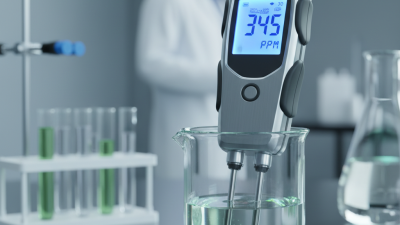
The digital refractometer has transformed various industries by providing precise measurements. As we look ahead to 2026, innovations in this technology promise even greater advancements. With improved accuracy, user-friendly interfaces, and enhanced portability, the digital refractometer is becoming essential in labs and fieldwork.
Recent trends highlight the integration of smart technology into refractometers. These devices now often include Bluetooth connectivity and data analysis features. This allows users to track trends and make informed decisions. However, some challenges remain. Issues like calibration and maintenance require careful consideration. Users must adapt to the rapid changes in this technology.
The exploration of new materials for sensors is also noteworthy. This can lead to better durability and reliability. As industries continue to evolve, the digital refractometer will need to keep pace. Overall, the future of refractometer technology is bright yet demands ongoing reflection and adaptation.
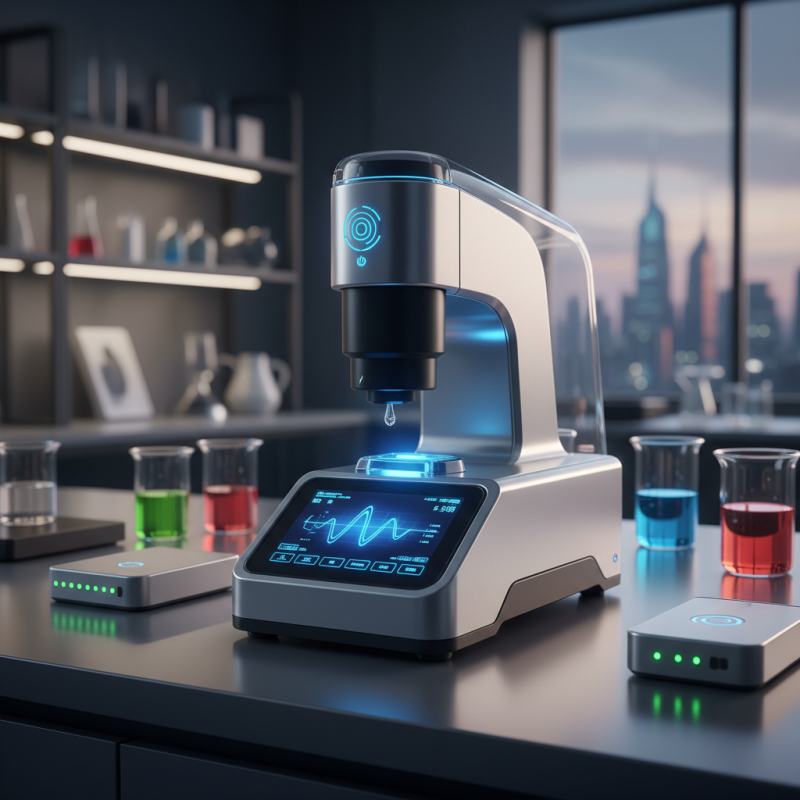
2026 Innovations in Digital Refractometers: Key Trends to Watch
The future of digital refractometers in 2026 is intriguing. Innovations are emerging rapidly. One key trend is miniaturization. Devices are becoming more portable without sacrificing accuracy. This shift makes them accessible in various settings, from labs to fieldwork.
Improved sensor technology plays a significant role. More precise readings are becoming the norm. These sensors can detect smaller changes in refractive index. However, with progress, there are challenges. Users may struggle to adapt to more complex interfaces. Simplicity is essential for effective use.
**Tips:** When selecting a device, prioritize ease of use. Look for models with intuitive displays. Also, consider the range of refractive indices they can measure. This adaptability can enhance your workflow. Reflect on your needs before purchasing. A thorough understanding of your requirements will lead to better choices.
Advancements in Measurement Accuracy: Industry Standards and Technologies
Advancements in measurement accuracy are reshaping the landscape of digital refractometry. Recent industry reports highlight that the accuracy of these devices has improved by nearly 20% over the past few years. This shift is largely attributed to technological advancements in sensor design and data processing capabilities. For instance, the adoption of advanced optics is crucial. However, even with these improvements, challenges remain around calibration and consistency across varying environmental conditions.
The demand for precise measurements is escalating across multiple sectors, including food and beverage, pharmaceuticals, and chemicals. A recent study pointed out that a staggering 30% of errors in measurements stem from inadequate calibration. This underscores the necessity for standard protocols. In response, many experts advocate for stricter industry regulations to ensure that all refractometers meet uniform accuracy standards.
Despite these improvements, it's essential to recognize that not all refractometer innovations are foolproof. Real-world application often reveals gaps between lab-tested accuracy and everyday usage. Many users report discrepancies that arise under non-laboratory conditions. This calls for ongoing evaluation and refinement of digital refractometer technology to ensure it meets real-world needs effectively. The path to precise measurements may still need adjustments and reflections on current practices.
Impact of IoT Integration on Digital Refractometer Functionality
The integration of IoT technology into digital refractometers is a game-changer for industries like food, beverages, and chemicals. IoT-enabled devices allow for remote monitoring and real-time data collection, improving accuracy in measurements. According to a recent market report, the global smart refractometers market is expected to grow at a CAGR of 8.5% from 2023 to 2028.
Real-time data enables faster decision-making. This is crucial in processes where consistency is vital. For instance, breweries can adjust ingredient ratios immediately based on precise readings. However, reliance on technology raises concerns about data security. Cyber threats are real and must be addressed proactively.
Tips: Always ensure your device software is up to date. Regular updates can patch vulnerabilities. Consider implementing a robust security protocol to safeguard sensitive data.
Moreover, while IoT integration enhances functionality, it can complicate troubleshooting. A sensor failure may require specialized knowledge to resolve. Users must balance technology benefits with operational challenges. It’s essential to evaluate if the latest advancements truly meet specific operational needs.
Emerging Materials in Digital Refractometer Design and Their Benefits
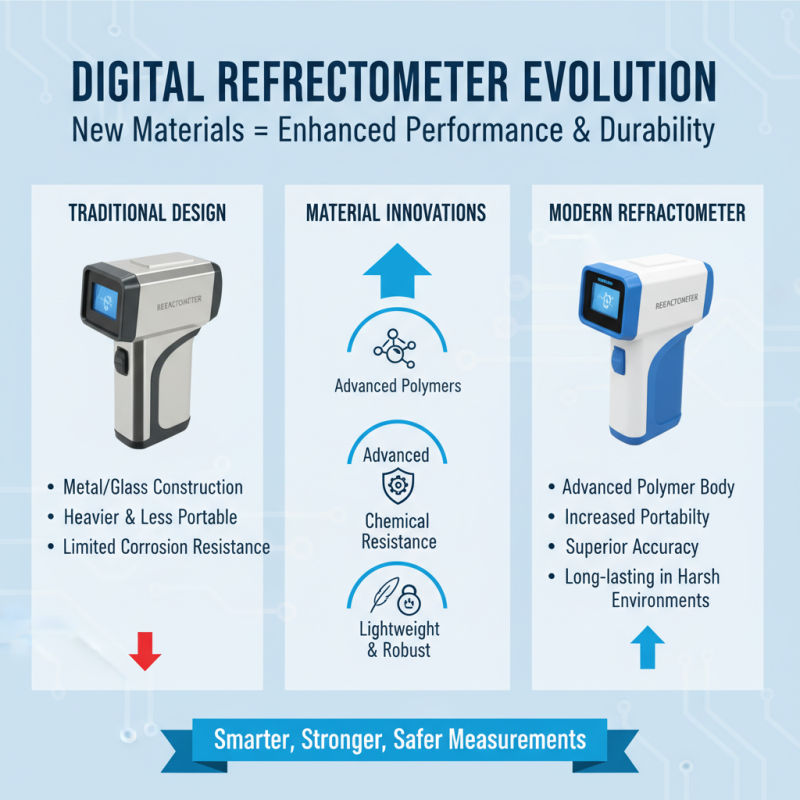
The evolution of digital refractometers is significantly influenced by emerging materials in their design. These innovations enhance performance while offering durability and practicality. For example, advanced polymers are changing the construction of refractometers. These materials are lightweight yet robust, increasing portability without sacrificing accuracy. They also resist chemical corrosion, ensuring longevity in various environments.
Another trend involves the use of nanomaterials. Incorporating nanoparticles into sensors enhances sensitivity and precision. This can lead to faster readings and improved data reliability. However, the uniformity of these materials can vary, posing challenges in consistency. Users may encounter discrepancies in readings due to this variability.
Furthermore, the integration of biodegradable materials is gaining attention. This shift towards environmental sustainability marks a significant change in sensor design. While beneficial, these materials sometimes lack the robustness of traditional options. Users need to weigh the pros and cons when considering sustainability against performance. As designs evolve, reflection on these challenges will be essential for future advancements.
Market Growth Projections for Digital Refractometers by 2026
The market for digital refractometers is poised for significant growth by 2026. As industries seek precise measurements, the demand increases. These devices provide quick and accurate analysis of liquid samples. This innovation benefits food and beverage sectors, pharmaceuticals, and research laboratories.
Adoption rates are climbing, but challenges remain. Not every operation fully grasps the technology. Training staff can be an obstacle. Additionally, some users still prefer traditional methods due to familiarity. Transitioning to digital refractometers requires effort and investment.
The emphasis on efficiency drives trends in this space. Simpler interfaces and improved accuracy are becoming crucial. Users want devices that are easy to navigate. The need for mobile compatibility also rises. As digital solutions evolve, the focus will shift towards enhancing user experience and reducing errors.